Candy Corn: The Spooky Script Font for Your Halloween Designs
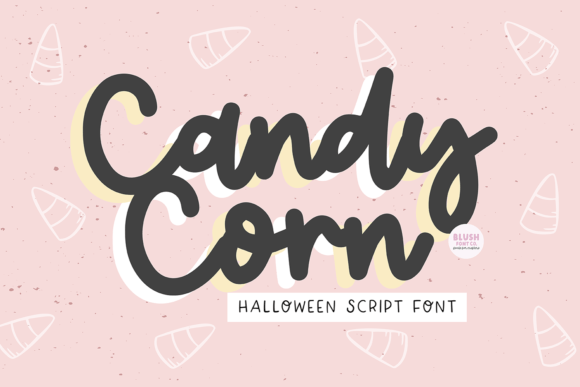
There is a specific kind of magic that happens when you take a beloved seasonal treat and turn it into a tool for creativity. Candy Corn isn't just a font; it is an installable script typeface designed to bring the playful, nostalgic energy of October directly into your projects. Whether you are designing invitations for a neighborhood block party, creating social media graphics for a small business, or crafting digital assets for a blog, this premium display font offers a unique way to capture attention without looking generic.
The visual personality of Candy Corn is distinct. It mimics the look of handwritten calligraphy but with a jagged, whimsical edge that feels like it was drawn with a thick marker or painted with a brush. Unlike traditional serif or sans serif fonts that demand seriousness, this creative font embraces chaos in a controlled way. It features irregular stroke widths, charming flourishes, and a slightly uneven baseline that gives it a human touch. This makes it perfect for anyone looking to add a layer of fun and approachability to their brand identity or editorial design.
Where This Script Font Shines in Real-World Projects
One of the most common questions designers ask is where a specific typeface fits best. With Candy Corn, the answer lies in its versatility as a statement piece. Because it is a display font, it is not intended for long blocks of body text. Instead, it excels in headlines, logos, and short phrases where immediate visual impact is required.
- Halloween Party Invitations: The most obvious application is event marketing. When you need to announce a costume party or a haunted house tour, using a standard font can make the invitation feel flat. Installing this script font allows you to create custom graphics that set the mood immediately. The handwritten style suggests a personal invitation from a friend rather than a corporate memo.
- Social Media Graphics: In the fast-paced world of Instagram and TikTok, users scroll quickly. A bold, thematic headline using Candy Corn can stop the scroll. It works exceptionally well for "Trick or Treat" announcements, limited-time offers, or seasonal content calendars for bloggers and publishers.
- Packaging Design: For small business owners selling seasonal goods, packaging is crucial. Imagine a bag of cookies or a candle box featuring the Candy Corn script. It elevates the product from a commodity to a curated experience, adding a sense of artisanal care and holiday spirit.
- Web Design and Digital Decor: While screen readability is paramount, this font adds character to web headers, email subject lines, and landing page hero sections. It breaks the monotony of modern typography and signals to the user that the content is festive and engaging.
Understanding Visual Hierarchy and Brand Perception
In professional design, every element serves a purpose. Using a font like Candy Corn influences how your audience perceives your message. When you pair this playful script with a clean, modern sans serif font, you create a dynamic contrast. The serious structure of the sans serif provides stability, while the candy corn script injects energy and emotion.
This combination enhances visual hierarchy. The eye is naturally drawn to the unique texture of the script first, establishing the theme, before moving to the informational text. This flow guides the reader through the content logically. Furthermore, consistent use of this font across different platforms—whether on a printed flyer or a digital ad—builds recognition. If your brand is known for being fun, quirky, or community-focused, incorporating this typeface reinforces those traits instantly.
However, professionalism does not disappear when you use a fun font; it simply shifts. The key is context. Using Candy Corn for a legal contract would be inappropriate, but using it for a creative agency's holiday campaign demonstrates cultural awareness and creativity. It shows that you understand your audience's emotional state during the season and are willing to adapt your communication style to match it.
Practical Guidance for Choosing and Pairing Fonts
Before downloading any design asset, it is wise to evaluate how it fits your specific project needs. Here is a practical checklist for integrating Candy Corn into your workflow effectively.
- Evaluate Project Fit: Ask yourself if the tone matches. Is the project lighthearted? Does it require a touch of spookiness? If the answer is yes, this font is a strong candidate. If the project requires absolute neutrality or high formality, save this one for secondary accents or skip it entirely.
- Review Included Styles: Most commercial fonts come with multiple weights and styles. Check if the package includes variations like "Light," "Regular," or "Bold." Having options allows you to maintain consistency within a single design. For instance, you might use the bold version for a main headline and a lighter weight for a sub-headline to create depth.
- Test Font Pairings: The success of a design often depends on what sits next to it. Try pairing Candy Corn with a geometric sans serif for a modern twist, or a classic serif for a more vintage, storybook feel. Avoid pairing it with other script fonts unless you are highly experienced, as two decorative scripts can compete for attention and reduce readability.
- Check Readability Considerations: Even the most beautiful fonts must be legible. Test your designs at different sizes. Ensure that the intricate details of the letters do not blur when scaled down for mobile screens or printed on small tags. Sometimes, simplifying the layout is necessary to let the font breathe.
- Verify Commercial Licensing: If you are a designer working for clients or a business owner selling products, licensing is critical. Ensure you have the correct license for commercial use. Some fonts allow for personal projects only, while others permit use in merchandise or advertising. Always read the fine print to avoid legal issues later.
Making the Most of Your Creative Assets
Once you have installed the font, think about how it interacts with other design elements. Color plays a massive role in the perception of Candy Corn. While the font itself is black or white by default, applying warm colors like orange, yellow, and deep purple can amplify its seasonal appeal. Conversely, using a monochromatic palette with this font can create a sophisticated, modern interpretation of the holiday.
For entrepreneurs and marketers, this font represents a low-cost, high-impact upgrade to your visual identity. You do not need to hire a full design team to refresh your brand for the fall season. By having this typeface ready in your toolkit, you can respond quickly to trends and produce high-quality materials that resonate with your audience. It bridges the gap between amateur enthusiasm and professional execution, allowing you to create designs that feel both handmade and polished.
Ultimately, the value of a typeface like Candy Corn lies in its ability to tell a story. It speaks of childhood memories, autumn leaves, and the joy of celebration. By understanding its strengths and limitations, you can leverage it to create designs that are not just seen, but felt. Whether you are a seasoned graphic designer or a hobbyist putting together a last-minute flyer, this script font offers the flexibility and charm needed to make your Halloween projects stand out.