Calish: Where Retro Nostalgia Meets Modern Digital Strategy
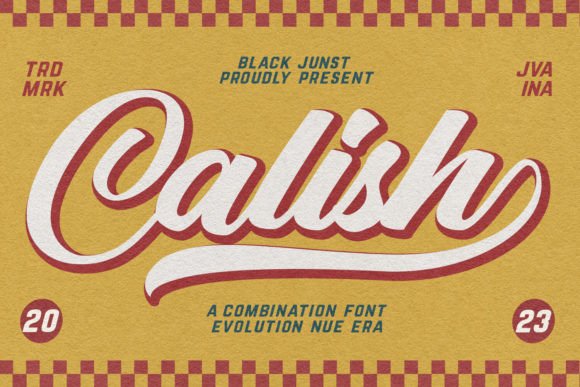
In the rapidly evolving landscape of digital design, where trends cycle with alarming speed, professionals are increasingly seeking a balance between familiarity and innovation. The current market is saturated with clean, minimalist sans-serifs that prioritize readability but often sacrifice personality. This is where Calish enters the conversation. More than just a typeface, Calish represents a strategic shift in how creators communicate brand identity. It is a retro script font that emerges with originality and modernity, offering a unique solution for designers who need to bridge the gap between vintage charm and contemporary functionality.
For entrepreneurs, marketers, and freelancers looking to differentiate their visual assets, understanding the nuances of typography is no longer optional; it is a core business competency. The introduction of Calish into the design ecosystem addresses a specific consumer craving: authenticity. In an era dominated by algorithmic feeds and sterile corporate aesthetics, audiences are drawn to human-centric elements. The original curve of Calish makes the font seductive to the wearer, inviting the viewer to slow down and engage with the content on a more emotional level.
The Evolution of Typography in a Digital-First Economy
To understand why Calish is gaining traction, we must look at the broader industry shifts. For the past decade, the web design world has been dominated by geometric minimalism. While effective for data-heavy interfaces, this style often creates a homogenized experience across websites, apps, and marketing materials. Consumers have developed "banner blindness" not just to ads, but to generic layouts that lack distinct character.
As businesses strive to cut through the noise, there is a growing demand for fonts that tell a story before a single word is read. This is where the concept of modern retro becomes vital. Calish leverages the fluidity of traditional calligraphy but refines it for high-resolution screens and responsive workflows. It does not merely mimic the handwriting of the 1950s; it reinterprets those strokes for the 2020s. This evolution reflects a wider trend where technology allows us to reclaim analog warmth without sacrificing digital precision.
For creative directors and brand managers, this shift signifies a move away from "safe" choices toward expressive ones. The market is rewarding brands that can evoke nostalgia while remaining forward-thinking. Calish serves as the perfect vehicle for this strategy, providing a visual hook that resonates with both older demographics seeking comfort and younger generations appreciating the curated aesthetic of vintage styles.
Bridging the Gap Between Art and Commerce
The practical application of Calish extends far beyond simple decoration. In the competitive world of freelance services and agency work, the ability to tailor a visual language to a specific niche is what separates the top tier of professionals from the rest. When a freelancer uses Calish, they are signaling a commitment to detail and a deep understanding of typographic psychology.
Consider the lifestyle and fashion sectors, which are currently driving significant consumer trends. These industries rely heavily on imagery and tone to sell a dream or a product. A standard sans-serif might convey clarity, but it rarely conveys allure. The seductive nature of Calish's curves adds a layer of sophistication that aligns perfectly with luxury branding, boutique retail, and high-end hospitality. By integrating this font into their portfolios, creatives can elevate the perceived value of their work.
Furthermore, the versatility of Calish supports diverse workflow requirements. Whether used for a headline on a landing page, a signature in an email newsletter, or a logo for a new startup, the font maintains its integrity. This adaptability is crucial for modern marketers who manage multiple channels simultaneously. They need a typeface that remains consistent in spirit but flexible enough to perform in various contexts, from mobile screens to large-format print.
Why Professionals Are Paying Attention to Calish
The surge in interest surrounding Calish is not accidental. It stems from a collective realization within the design community that originality is the most valuable currency available today. As artificial intelligence tools become more prevalent in generating images and copy, the human touch in design becomes even more precious. Fonts like Calish, which require a nuanced understanding of stroke weight and flow, offer a distinctively human element that AI struggles to replicate convincingly.
Entrepreneurs are noticing that their customers are becoming more discerning. The "good enough" approach to branding is yielding diminishing returns. To build a loyal community, a business must establish a strong, memorable voice. Calish provides that voice. Its original curve makes the font seductive to the wearer, creating a subconscious association with quality and craftsmanship. When a user encounters a website or a brochure featuring Calish, they immediately perceive the brand as curated and intentional.
This relevance is further amplified by changing preferences in content consumption. Short-form video and social media snippets demand immediate visual impact. A bold, stylish script can stop the scroll in a way that blocky text cannot. Marketers utilizing Calish in their social campaigns are seeing higher engagement rates because the typography itself acts as a visual anchor, drawing the eye before the message is even processed.
- Brand Differentiation: In crowded markets, Calish helps brands stand out by avoiding the ubiquitous Helvetica or Roboto look.
- Emotional Connection: The fluid lines of the font evoke feelings of elegance and approachability, fostering trust with potential clients.
- Visual Hierarchy: The contrast between the script and standard body text allows designers to create clear, engaging layouts that guide the reader's eye naturally.
Practical Applications for Modern Workflows
Implementing Calish requires a strategic approach to ensure it enhances rather than overwhelms the design. For professionals, the key lies in pairing. Calish shines when juxtaposed with clean, understated sans-serif fonts. This combination creates a dynamic tension that keeps the design fresh and readable. For instance, a tech startup might use a robust sans-serif for technical specifications while using Calish for their tagline or mission statement, effectively communicating that they are innovative yet grounded in human values.
In the realm of e-commerce, product packaging and promotional banners are prime candidates for Calish. The font's ability to suggest luxury and exclusivity can directly influence purchasing decisions. A coffee shop launching a new seasonal blend could use Calish on its packaging to suggest artisanal quality, distinguishing itself from mass-market competitors. Similarly, event planners and wedding coordinators find immense value in the font's romantic and celebratory undertones.
Freelancers and agencies should also consider Calish for client presentations. Using a distinctive typeface in pitch decks can demonstrate a proactive approach to design and a willingness to take calculated risks. It signals to the client that the agency is thinking outside the box and is invested in creating a bespoke solution.
The Future of Design: Embracing Originality
As we look toward the future of the creative industry, the role of typography will only become more critical. With the proliferation of digital platforms, the opportunity to express brand identity is limitless, but so is the competition. The professionals who thrive will be those who understand that design is not just about making things look good; it is about making them feel right.
Calish embodies this philosophy. It is a tool that empowers creators to inject soul into their projects. By emerging with originality and modernity, it proves that retro styles are not relics of the past but living, breathing elements of contemporary culture. The font's seductive curves invite interaction, encouraging users to linger on a page and absorb the message.
For the enthusiast, the entrepreneur, and the professional, adopting Calish is more than a stylistic choice; it is a strategic decision. It aligns with a future where personalization and authenticity are paramount. As the digital world continues to evolve, the need for fonts that can convey complex emotions and narratives will only grow. Calish stands ready to meet that challenge, offering a versatile, attractive, and powerful asset for all your design needs.
In conclusion, the integration of Calish into your workflow represents a step forward in design maturity. It acknowledges the shifting tides of consumer preference and the increasing demand for meaningful visual communication. Whether you are revamping a corporate identity, designing a personal portfolio, or crafting a marketing campaign, Calish offers the originality required to make a lasting impression. By choosing a font that balances heritage with innovation, you are not just selecting a typeface; you are defining the future of your brand's voice.
Explore the possibilities of Calish today and discover how a single font can transform your creative output. In a world of noise, let your design speak with clarity, style, and undeniable charm.