Pavilion: Modern Calligraphy for Creative Projects
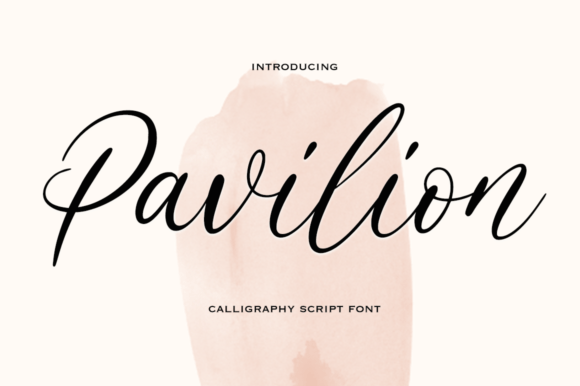
Imagine a font that doesn't just sit on the page but dances. Pavilion and its companion, Pavilion Script, bring that exact energy to digital and print media. This modern calligraphy design is not merely a collection of letters; it is a visual voice that speaks with elegance, fluidity, and a distinct personality. Whether you are designing a luxury wedding invitation or a bold brand logo, the presence of swashes and casual curves in this typeface transforms ordinary text into an artistic statement.
The beauty of Pavilion lies in its versatility. It bridges the gap between formal script and approachable handwriting. With a Regular weight included alongside the flowing script variations, it offers a complete toolkit for designers who need both structure and flair. But why does this specific font matter to so many different people? The answer depends entirely on what you are trying to achieve and how much value you place on aesthetics versus functionality.
What Makes Pavilion Unique?
At its core, Pavilion is a modern calligraphy design characterized by its natural flow and organic feel. Unlike rigid, geometric sans-serifs or traditional, stiff serifs, Pavilion mimics the movement of a real brush or fountain pen. The inclusion of swashes—those decorative flourishes at the beginning or end of letters—adds a layer of sophistication without feeling overly ornate. This balance makes it "casual and beautiful," as described in its design philosophy.
For those who appreciate typography, the distinction is clear. A standard font might convey information efficiently, but a script like Pavilion conveys emotion. It suggests warmth, creativity, and personal touch. When you use Pavilion, you are making a deliberate choice to prioritize style and character over pure utility. The font family includes a Regular version that provides stability, ensuring that your designs remain readable even when the script elements become more elaborate.
How Beginners See Pavilion
For beginners entering the world of graphic design or content creation, the primary concern is often ease of use. Can I make something look professional without spending years learning complex software? Pavilion answers this question with a resounding yes. Because the font carries built-in personality, a novice user can create visually stunning work simply by selecting the right typeface.
- Instant Impact: You don't need to add extra graphics or borders to make a headline pop. The swashes do the heavy lifting for you.
- Forgiving Nature: If your letter spacing isn't perfect, the fluid nature of the script can hide minor imperfections better than blocky fonts.
- Learning Value: Using Pavilion helps beginners understand the power of pairing scripts with simpler fonts, teaching them about contrast and hierarchy early on.
However, beginners must be careful. The very features that make Pavilion attractive—the swashes and casual strokes—can become cluttered if overused. The priority here is learning restraint. A beginner might try to use the script for every line of text, but the most effective designs reserve it for headlines, quotes, or key phrases, letting the Regular version handle the body copy.
Professional Perspectives on Design Quality
Experienced professionals and seasoned creators view Pavilion through a lens of flexibility and quality. They know that a font is only as good as the context in which it is used. For a professional designer, Pavilion is a strategic asset. It allows for rapid prototyping of branding concepts where speed and aesthetic appeal are equally critical.
When evaluating a font like Pavilion, professionals focus on technical reliability. Does it have enough kerning pairs? Do the swashes interact well with neighboring characters? Does the Regular weight hold up under scrutiny at small sizes? Pavilion's design excels here because it maintains readability while offering high-end visual cues. This makes it suitable for projects that demand commercial value, such as packaging or signage.
Consider a scenario where a marketing team needs to rebrand a product overnight. They need a font that feels premium but also connects emotionally with consumers. Pavilion fits this bill perfectly. Its casual yet polished look appeals to modern audiences who reject rigid corporate imagery in favor of authentic, human-centric brands.
Practical Applications Across Industries
The true test of any typeface is its adaptability. Pavilion proves its worth across a wide spectrum of industries and use cases. Let's explore how different sectors leverage its unique characteristics.
Wedding Invitations and Events
This is perhaps the most classic application. Wedding invitations require a tone of romance and formality. Pavilion Script delivers exactly that. The swashes mimic the flourish of a handwritten note, adding a personal touch that guests appreciate. For event signage or table cards, the font ensures that the occasion feels special from the moment the guest arrives.
Branding and Logos
Entrepreneurs and small business owners often struggle to find a logo font that stands out without looking cheap. Pavilion offers a solution for boutique shops, cafes, and creative agencies. A logo using Pavilion can suggest craftsmanship and attention to detail. When paired with the clean lines of the Regular weight, it creates a balanced identity that works well on business cards, social media profiles, and storefront signs.
Product Packaging and Labels
In the crowded marketplace of consumer goods, packaging must grab attention immediately. A label featuring Pavilion can elevate a product from a generic commodity to a premium item. Imagine a jar of artisanal honey or a bottle of handcrafted soap. The script adds a layer of perceived quality that justifies a higher price point. The font's ability to curve around shapes makes it ideal for circular labels and irregular packaging forms.
Book Covers and Publishing
Educators, authors, and publishers often seek fonts that reflect the genre of their work. For fiction, particularly romance or historical novels, Pavilion sets the mood instantly. For non-fiction, the Regular weight can provide a sophisticated backdrop for titles and subtitles. The font's legibility ensures that book covers are inviting rather than intimidating, encouraging potential readers to pick up the volume.
Decision Factors: Cost, Speed, and Long-Term Use
When choosing a font, practical considerations often outweigh pure aesthetics. How does Pavilion fit into these decision-making criteria?
Cost and Licensing: While specific pricing varies, investing in a high-quality font family like Pavilion is generally cost-effective compared to hiring a custom calligrapher for every project. It offers long-term usefulness, allowing users to return to the same files years later with confidence that the design will still look relevant.
Speed and Efficiency: For freelancers and bloggers working against tight deadlines, Pavilion reduces the time spent tweaking design elements. The font's inherent beauty means less time is needed on post-production adjustments. This efficiency translates directly into higher profitability for service-based businesses.
Creativity vs. Reliability: Some users worry that a "casual" font might lack the seriousness required for certain projects. However, Pavilion strikes a balance. It is reliable enough for legal documents (using the Regular weight) and creative enough for art projects (using the Script). This duality makes it a versatile tool that grows with the user's skill level.
Matching Pavilion to Your Goals
Not every project requires a script font, and not every user needs the full capabilities of Pavilion. To determine if this font matches your needs, ask yourself a few questions. Are you aiming for a personal, human connection in your design? Do you need a typeface that can handle both headers and body text without losing its charm? Is your audience likely to respond positively to elegant, flowing lines?
If the answer is yes, then Pavilion is likely an excellent addition to your toolkit. It serves the hobbyist creating scrapbooks just as well as it serves the publisher launching a new novel. By understanding the specific priorities of your project—whether that is speed, cost, or maximum visual impact—you can decide whether to lean into the swashes of the Script or rely on the solid foundation of the Regular weight.
Ultimately, Pavilion represents a modern approach to typography. It respects tradition while embracing contemporary design trends. Whether you are a marketer crafting a campaign, a teacher preparing materials, or a creator building a portfolio, this font offers the freedom to express ideas with clarity and grace. In a digital world filled with uniformity, Pavilion reminds us that there is still room for beauty, variation, and the human touch.