State of Mind: Elevating Your Brand with Friendly Script
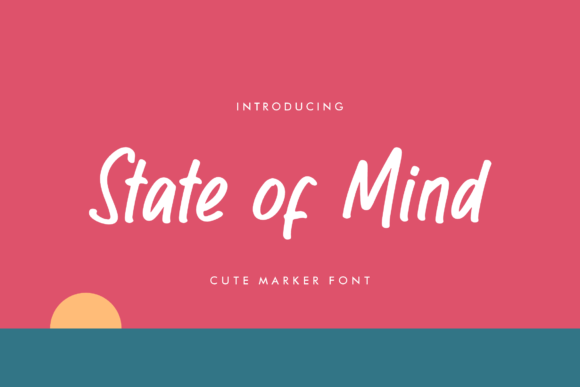
In a digital landscape saturated with rigid, geometric typefaces and standardized templates, finding a voice that feels genuinely human is becoming increasingly difficult. This is where State of Mind steps in. It is not merely a collection of curves and strokes; it is a friendly script font designed to bridge the gap between professional polish and personal warmth. For professionals, creators, and entrepreneurs aged 20 to 50, the right typography can be the difference between a design that is simply seen and one that is felt.
The essence of State of Mind lies in its approachability. Unlike formal calligraphy that demands perfection or decorative scripts that often sacrifice readability for flair, this typeface offers a balanced, inviting aesthetic. It speaks directly to the subconscious, signaling creativity, care, and authenticity. Whether you are launching a new product line or refining your personal brand, integrating State of Mind into your visual identity can instantly elevate the perceived value of your work while maintaining an accessible tone.
Transforming Brand Identity with Approachable Typography
Branding is no longer just about a logo; it is about the emotional connection you establish with your audience. When you apply State of Mind to branding projects, you are making a deliberate choice to present your business as relatable and trustworthy. The fluid nature of the script mimics the natural flow of handwriting, which our brains are wired to associate with personal attention and sincerity.
Consider the scenario of a small business owner launching a new line of artisanal goods. A standard sans-serif font might convey efficiency, but it can feel cold. By contrast, using State of Mind for the logo and primary packaging creates an immediate sense of craftsmanship. It suggests that real people made these products with intention. This subtle shift in visual language can significantly influence consumer perception, turning a transactional interaction into a relationship built on shared values.
The versatility of the font ensures that this friendly vibe translates consistently across various mediums. From shopping bags to t-shirts, the letterforms remain legible yet expressive. This consistency is crucial for building brand recognition. When customers see the same warm, flowing script on their favorite mug, their book cover, and your social media graphics, they begin to associate those feelings of comfort and quality with your entire ecosystem.
Enhancing Communication Through Visual Tone
Communication is rarely just about the words we choose; the medium through which those words travel matters just as much. State of Mind serves as a powerful tool for setting the right tone before a single sentence is read. In marketing materials, email headers, or blog post titles, the font acts as an emotional primer. It prepares the reader for content that is engaging, creative, and perhaps a bit more intimate than typical corporate communications.
For educators and bloggers, this benefit is particularly pronounced. When designing educational handouts, course invitations, or newsletter headers, the goal is often to reduce anxiety and encourage engagement. A stiff, formal font can inadvertently create barriers, whereas the gentle curves of State of Mind invite the reader in. It softens the delivery of complex information, making learning or reading feel less like a chore and more like a conversation. This psychological effect can lead to higher retention rates and deeper engagement with your content.
Furthermore, the font supports clarity without sacrificing style. One common pitfall in script typography is the loss of readability at smaller sizes or when used for body text. However, State of Mind is crafted to maintain its structure even when scaled down. This makes it ideal for use in labels, name cards, and watermarks where space is limited but impact is necessary. You do not have to compromise on legibility to achieve a beautiful script taste.
Practical Applications Across Creative Industries
The utility of State of Mind extends far beyond simple decoration. Its specific characteristics make it a practical solution for a wide array of projects that require a touch of elegance mixed with everyday usability. Let us explore how different professionals can leverage this font to solve specific design challenges.
Product Packaging and Homeware Design: In the competitive world of retail, shelf presence is everything. Product packaging needs to stand out, but it also needs to communicate what the product is. State of Mind works exceptionally well for homeware designs, mugs, and bottles. The script adds a layer of sophistication that elevates the perceived quality of the item inside. It suggests that the contents are curated and special, encouraging impulse buys and repeat purchases.
Event Planning and Invitations: Special events, from weddings to corporate retreats, rely heavily on the first impression. Invitation cards and greeting cards set the stage for the experience. Using State of Mind here conveys hospitality and thoughtfulness. It tells the recipient that time was taken to craft a personalized message. The font's friendly nature ensures that the invitation feels welcoming rather than pretentious, striking the perfect balance for modern celebrations.
Photography and Watermarking: Photographers often struggle to find a watermark that does not distract from the image itself. Traditional block letters can look harsh against delicate photography. State of Mind, however, integrates seamlessly into images. As a watermark, it asserts ownership without overpowering the art. Similarly, for quotes posters or book covers, the font enhances the narrative. It turns a simple text overlay into a design element that complements the visual story being told.
Who Benefits Most from This Typeface?
While the applications are vast, certain groups will find State of Mind particularly transformative. Freelancers and marketers who juggle multiple client identities need a versatile asset that can adapt to different brand voices. This font allows them to pivot quickly between a cozy lifestyle brand and a boutique service provider without needing to source entirely new type families.
Publishers and authors will appreciate the font's ability to handle book covers effectively. A title set in State of Mind can suggest a memoir, a self-help guide, or a creative novel, depending on the surrounding layout. It adds a human element to the printed page, which is essential in an era where digital screens dominate our attention spans. Readers are drawn to physical objects that feel tactile and personal, and the font contributes significantly to that feeling.
Small business owners looking to simplify their design decisions will also find value here. Instead of agonizing over whether a project needs a serif, sans-serif, or display font, State of Mind often provides the answer. It solves the problem of "design paralysis" by offering a safe, attractive option that works for logos, labels, and promotional materials alike. This efficiency saves time and reduces the cognitive load on the creator, allowing them to focus on strategy and growth.
Navigating Limitations and Making Smart Choices
Even the most capable tools have their boundaries. To get the most out of State of Mind, it is important to understand where it fits best and where other options might be superior. While the font is excellent for headlines, logos, and short phrases, it may not be the ideal choice for long-form body text in technical manuals or legal documents. In such contexts, maximum readability and neutrality are paramount, and a highly stylized script could introduce unnecessary distraction.
Additionally, the success of any script font depends heavily on kerning and spacing. Because State of Mind connects letters in a flowing manner, improper spacing can make the text appear cramped or messy. Users should take the time to adjust tracking and leading, especially when scaling the font for large banners or tiny embroidery on clothing. Comparing this font with others in similar categories is always a wise step during the selection process to ensure it aligns perfectly with your specific project goals.
Ultimately, State of Mind is a strategic asset for anyone looking to inject personality into their work. It is not a magic bullet that fixes poor design principles, but it is a powerful amplifier for good ideas. By choosing this friendly script, you are making a statement about your commitment to beauty, clarity, and human connection. Whether you are designing a name card for a networking event or a full suite of product packaging, the decision to use State of Mind reflects a desire to create something that resonates deeply with your audience.
In the end, design is about communication, and sometimes the most effective way to speak is with a tone that sounds like a friend. State of Mind provides that voice, helping you turn ordinary projects into memorable experiences that leave a lasting impression.