Unlocking Authenticity: The Bataknesse Typeface for Your Next Project
You are likely staring at a blank canvas or a cluttered design file, searching for that specific visual element that transforms a generic layout into something memorable. Too often, creators settle for standard typefaces because they are safe, accessible, and familiar. However, when your project demands a story—a narrative rooted in heritage, culture, or distinct identity—standard fonts simply cannot deliver the emotional resonance required. This is where Bataknesse enters the conversation, not just as another download, but as a bridge to the rich artistic traditions of Indonesia.
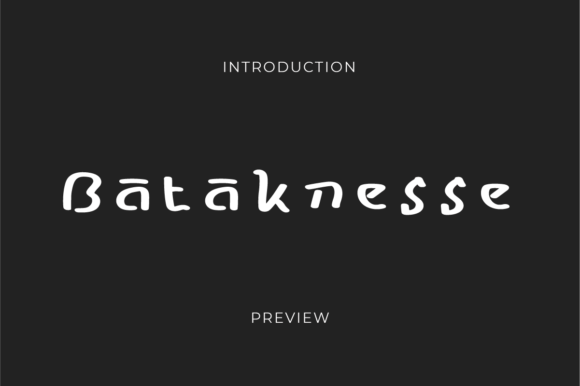
Bataknesse is an ethnic Indonesian font inspired by the ancient Batak script. It captures the fluid, angular, and rhythmic nature of traditional calligraphy while remaining functional for modern digital and print applications. When you add it to your creative projects, you will love the results because it brings an immediate sense of authenticity that sans-serif or serif fonts often lack. Yet, integrating such a specialized typeface requires more than just clicking "download." There are nuances in usage, licensing, and application that can make the difference between a stunning design and a confusing mess.
Navigating Common Pitfalls in Type Selection
Many designers approach unique fonts like Bataknesse with enthusiasm but overlook critical details regarding their structural integrity and readability. One of the most frequent mistakes is treating ethnic scripts as mere decorative flourishes rather than functional text. If you attempt to set long paragraphs of body copy using Bataknesse without careful consideration, you risk alienating your audience. The intricate strokes of the Batak script, while beautiful, can become illegible at small sizes or on low-resolution screens.
This error directly impacts usability and efficiency. A reader who cannot decipher your message due to poor typography choices will abandon your content immediately. Furthermore, using this font for casual headings in a corporate environment might undermine professional credibility if the context does not align with the cultural weight of the script. You must evaluate whether the aesthetic fits the brand voice before committing to it.
The Trap of Overuse and Context Mismatch
Another oversight involves the sheer volume of text applied with Bataknesse. It is tempting to use the font for every headline, subheading, and accent word to ensure consistency. However, overusing any distinctive typeface dilutes its impact. When everything looks special, nothing stands out. Instead, treat Bataknesse as a spotlight rather than a floodlight. Use it sparingly to draw attention to key concepts, titles, or quotes where cultural significance is paramount.
Consider the scenario of a small business owner launching a product line inspired by local craftsmanship. They might be tempted to slap the Bataknesse font on every invoice, email signature, and social media post. While the intention is to celebrate heritage, doing so without strategic placement can make the communication feel heavy and dated. The result is a presentation that feels forced rather than organic. The solution lies in balance. Pair Bataknesse with a clean, neutral sans-serif font for the bulk of your information. This contrast allows the ethnic font to shine without compromising clarity.
Evaluating Technical Compatibility and Licensing
Before you incorporate Bataknesse into your workflow, you must address the technical realities of the font file itself. Not all custom fonts are created equal. Some may lack proper kerning pairs, meaning the spacing between letters looks uneven and unprofessional. Others might have missing glyphs or incorrect character encoding, which can cause text to break or display as boxes when shared across different platforms.
These technical flaws affect the quality and cost of your project. Fixing broken text after a design has been finalized wastes hours of time and can delay launches. To avoid this, always test your font files in multiple environments before finalizing your work. Check how Bataknesse renders on mobile devices, in PDF exports, and within various web browsers. Ensure that the font supports the specific language characters you need, especially if you are mixing Latin script with Batak characters.
Licensing is another area where professionals often stumble. Ethnic fonts are sometimes distributed under restrictive terms that limit commercial use. If you are a freelancer or agency, assuming a free download includes full commercial rights can lead to legal complications and unexpected costs later. Always read the license agreement carefully. Look for terms regarding modification, redistribution, and the number of seats allowed. Investing in a properly licensed version ensures you have the right to use Bataknesse confidently in client projects without fear of infringement.
Strategic Application for Maximum Impact
To get the best results, think about the hierarchy of your design. Bataknesse excels in large formats where the details of the script can be appreciated. Imagine a poster for a cultural festival, a book cover for a novel set in Sumatra, or a logo for a boutique coffee shop sourcing beans from local communities. In these contexts, the font acts as a visual anchor that communicates depth and history instantly.
For educators and bloggers, using Bataknesse in headers can signal respect for the subject matter. It shows that you have taken the time to research and honor the culture you are discussing. However, do not let the font overshadow the content. The text should remain the primary vehicle for information, with the typography serving as an enhancer. If you are creating educational materials, ensure that the font size is large enough to be readable for students of all ages.
Best Practices for Integration and Evaluation
When deciding whether to use Bataknesse, ask yourself a few practical questions. Does this font serve the purpose of the message? Is the target audience capable of reading it comfortably? Will it look good in black and white as well as color? These checks prevent the common mistake of choosing a font based solely on trendiness.
- Test Legibility: Print your designs at actual size. What looks good on a monitor might be difficult to read on paper.
- Check Contrast: Ensure there is sufficient contrast between the Bataknesse text and the background. Intricate fonts need space to breathe.
- Verify Licensing: Confirm that your purchase or download covers your intended use case, whether personal, educational, or commercial.
- Pair Wisely: Select a companion font that complements the complexity of Bataknesse without competing for attention.
By following these guidelines, you avoid the frustration of reworking designs and ensure that your final output is polished and effective. The goal is not just to use a cool font, but to communicate clearly and beautifully.
Ultimately, Bataknesse offers a unique opportunity to infuse your work with cultural richness. Whether you are a marketer crafting a campaign, a designer building a brand identity, or a creator sharing a story, this font provides a powerful tool. Just remember that power comes with responsibility. Use it thoughtfully, check your technical details, and respect the context in which it appears. When done correctly, adding Bataknesse to your creative projects will yield results that are not only visually striking but also deeply meaningful.