Volatile: A Vintage Script for Nostalgic Design
In the current landscape of digital typography, where clean sans-serifs and geometric grotesques dominate corporate identity systems, finding a font that balances authentic vintage charm with modern usability is a genuine challenge. Volatile enters this space not merely as another decorative typeface, but as a deliberate nod to mid-century aesthetics that feels playfully nostalgic. For professionals, creators, and small business owners who need to inject personality into their projects without sacrificing readability, understanding the specific utility of Volatile is essential before adding it to your asset library.
This script font is designed to deliver an incredible vintage aesthetic, yet its application extends far beyond simple retro decoration. It serves as a tool for brands looking to evoke a sense of history, craftsmanship, or personal connection. By examining its characteristics, performance, and ideal use cases, we can determine how this delicate script fits into a professional workflow.
The Core Identity of Volatile
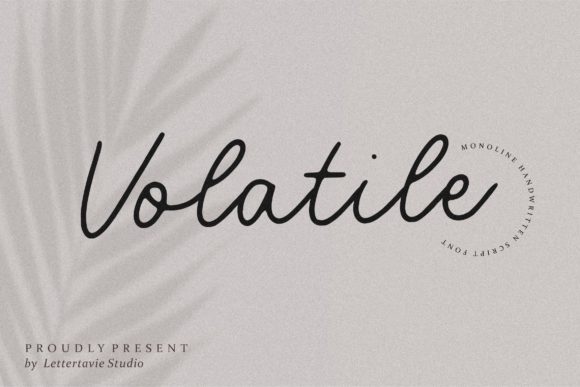
At its heart, Volatile is defined by its fluidity and its ability to mimic the natural stroke of a calligraphy pen. Unlike many display fonts that rely on rigid structures, this typeface features organic variations in line weight that suggest human handiwriting. The "delicate" nature of the script allows it to weave through designs with grace, creating a visual rhythm that standard serif or sans-serif fonts simply cannot achieve.
The playful nostalgia embedded in the design is subtle rather than overwhelming. It avoids the clichés often found in dated retro fonts, such as excessive ornamentation or distorted letterforms. Instead, it offers a refined elegance that suggests a bygone era of handwritten correspondence and artisanal packaging. This makes it particularly effective for projects aiming to convey authenticity and warmth.
For marketers and entrepreneurs, this distinction is crucial. In a market saturated with sterile, mass-produced imagery, a font like Volatile acts as a differentiator. It signals to the audience that there is a human touch behind the product or service, fostering a deeper emotional connection.
Key Characteristics and Technical Strengths
- Fluid Line Variation: The strokes transition smoothly from thick to thin, mimicking the pressure of a nib. This creates a dynamic feel that guides the eye across the text.
- Consistent Stroke Weight: Despite its delicate appearance, the font maintains enough thickness to remain legible at various sizes, provided it is used correctly.
- Natural Ligatures: The connections between letters are designed to look organic, preventing the awkward gaps that often plague digital script fonts.
- Versatile Styling: While primarily a script, its structure allows it to pair effectively with both traditional serifs and modern sans-serifs.
These technical attributes ensure that Volatile is not just a novelty item but a functional component of a design system. When evaluating a font for long-term value, consistency is key. Volatile delivers on this front by maintaining its character across different weights and styles, ensuring that your brand voice remains stable even when the medium changes.
Practical Application in Real-World Projects
Understanding what Volatile is helps, but knowing how to use it is where the real value lies. The font excels in contexts where brevity and impact are required. Because scripts naturally draw attention, they are best suited for headlines, logos, and short phrases rather than body copy. Using Volatile for large blocks of text would quickly fatigue the reader due to the complexity of following the flowing lines.
Consider a scenario where a freelance photographer wants to update their portfolio website. Incorporating Volatile into the hero section or project titles can immediately establish a mood of artistic flair and timelessness. Similarly, a small business owner selling handmade goods might use the font on packaging labels to emphasize the artisanal nature of the product. In these instances, the font does more than decorate; it communicates the story of the brand.
However, effectiveness depends heavily on context. If a law firm were to attempt using Volatile for client contracts, the result would likely undermine their credibility. The playful nostalgia of the font clashes with the serious, formal tone required in legal documents. Therefore, the decision to use Volatile must be driven by the specific goals of the project and the expectations of the target audience.
Integration with Other Design Elements
One of the strengths of Volatile is its flexibility in pairing. It pairs exceptionally well with sturdy, neutral typefaces. A classic combination involves using a clean sans-serif like Helvetica or Roboto for body text and navigation, while reserving Volatile for headings and emphasis. This contrast creates a balanced hierarchy, allowing the script to shine without overwhelming the content.
For educators and bloggers, this pairing strategy is particularly useful. A blog post about historical events could utilize Volatile for the title to set the scene, while the main text remains highly readable. This approach ensures that the design enhances the content rather than distracting from it. The delicate script adds a layer of sophistication that elevates the perceived quality of the publication.
When considering color and layout, Volatile requires careful handling. Its delicate lines can disappear against busy backgrounds or low-contrast colors. To maximize visibility, it should be placed against solid, muted tones or textured backgrounds that complement its vintage feel. High contrast is generally recommended to ensure the intricate details of the script are visible to all users, including those with visual impairments.
Evaluating Usability and Reliability
From a user experience perspective, the reliability of a font is paramount. Volatile performs well in most standard web environments, rendering clearly on both high-resolution screens and mobile devices. However, designers must be mindful of font loading times. As a display font, it is typically used sparingly, which minimizes the impact on page speed. Nevertheless, if the font file is large or poorly optimized, it could introduce delays that affect the overall user experience.
Usability also extends to the editing process. The ligatures and alternate characters in Volatile can sometimes present challenges if the software does not support OpenType features properly. Users may find that certain letter combinations do not connect as intended unless specific settings are adjusted. This requires a level of familiarity with typography tools, making the font slightly less accessible to absolute beginners compared to simpler typefaces.
Despite these minor considerations, the long-term value of Volatile remains high for those who appreciate vintage aesthetics. It offers a timeless quality that avoids fleeting trends. A design created with Volatile today is likely to retain its appeal five or ten years from now, whereas trendy fonts often date quickly. This durability is a significant factor for professionals investing in assets that will serve their brand over extended periods.
Who Benefits Most from This Typeface?
The primary beneficiaries of Volatile are individuals and businesses that prioritize storytelling and emotional resonance. Freelancers, such as wedding planners, boutique shop owners, and creative consultants, will find the font particularly useful for branding materials. It allows them to stand out in competitive markets by offering a distinct visual identity that feels personal and curated.
Publishers and authors working on niche topics—such as culinary arts, travel journals, or historical fiction—can leverage the font to enhance the thematic atmosphere of their work. The playful nostalgia aligns perfectly with content that celebrates tradition, memory, and the joy of discovery.
Conversely, enterprises operating in highly regulated industries or those targeting a strictly corporate demographic may find Volatile less suitable. In these cases, the font's informal nature could dilute the message of authority and efficiency. It is important to weigh the potential for increased engagement against the risk of appearing unprofessional within the specific industry context.
Limitations and Considerations
No single font is a universal solution, and Volatile is no exception. Its reliance on stylistic flair means it cannot replace the clarity needed for data-heavy interfaces or complex informational graphics. Additionally, because of its distinctive style, it may not translate well across all cultural contexts. What reads as charmingly vintage in one region might appear outdated or overly ornate in another.
Designers should also consider accessibility. While the font is legible, the complex curves and varying stroke widths can make reading difficult for individuals with dyslexia or other reading difficulties. Best practices dictate using Volatile only for short, non-essential text elements, ensuring that the primary information is conveyed through more accessible typefaces.
Final Thoughts on Strategic Value
Volatile represents a thoughtful addition to the typographic toolkit, offering a bridge between modern design needs and vintage inspiration. Its ability to convey nostalgia without sacrificing quality makes it a valuable resource for anyone looking to add depth and character to their visual communication. By understanding its strengths and limitations, professionals can deploy it strategically to achieve specific goals.
Whether you are launching a new brand, refreshing an existing website, or creating marketing materials for a special event, Volatile provides the delicate script aesthetic required to capture attention. It invites the viewer to slow down and appreciate the details, a rare commodity in our fast-paced digital world. For those willing to integrate it with care and intention, Volatile offers a lasting impression that resonates on both an aesthetic and emotional level.