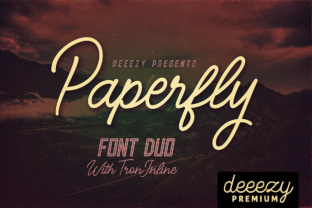
Why Paperfly is the Ultimate Monoline Duo Font for Modern Headlines
In a digital landscape saturated with generic typefaces, finding a font that commands attention without overwhelming the reader can feel like an impossible task. Designers often struggle to balance legibility with personality. This is where Paperfly steps in as a game-changer. It is not merely another display typeface; it is a carefully crafted monoline script that brings a sense of fluid motion and elegance to any project.
Whether you are designing a wedding invitation, a modern logo, or a social media banner, the unique characteristics of Paperfly make it stand out. Its sleek lines and consistent stroke width offer a contemporary feel that resonates with current design trends, while its companion inline version adds a layer of sophistication that few other fonts can match.
The Art of Monoline: What Makes Paperfly Special?
To understand why Paperfly has become a favorite among creatives, we first need to appreciate the monoline style itself. Unlike traditional calligraphy scripts that rely on thick downstrokes and thin upstrokes to create contrast, a monoline font maintains a uniform stroke width throughout every character. This consistency gives the text a clean, geometric, yet organic appearance.
Paperfly takes this concept and elevates it. The font features smooth, flowing curves that mimic the natural movement of a pen gliding across paper, but with the precision of a digital tool. The result is a typeface that feels both handcrafted and perfectly engineered. When used as a title or headline, Paperfly acts as a visual anchor, drawing the eye immediately to the most important part of your design.
The beauty of this font lies in its versatility. Because it lacks the heavy weight variations of traditional scripts, it scales beautifully from massive billboards to tiny mobile screens. You won't find the "muddy" look that sometimes plagues complex scripts when they are shrunk down; Paperfly remains crisp and clear at any size.
The Perfect Pair: Introducing the Inline Companion
One of the standout features of the Paperfly package is that it comes as a duo font. While many designers might be satisfied with just the primary script, the inclusion of the inline variant transforms the entire experience. The inline version complements Paperfly perfectly, offering a lighter, more airy alternative that retains the same structural integrity.
This duality allows for incredible creative freedom. Imagine a headline where the main word is written in the bold, confident strokes of Paperfly, followed by a sub-headline or a decorative element in the delicate inline style. This contrast creates depth and hierarchy within the typography itself, eliminating the need for excessive graphic elements to add interest.
- Visual Contrast: Switch between the solid monoline and the airy inline to create dynamic layouts.
- Readability: Use the inline version for longer body text or secondary information where the main script might be too dominant.
- Brand Flexibility: A brand can use the regular Paperfly for strong logos and the inline version for elegant taglines.
This combination ensures that your designs never feel flat. The ability to toggle between these two styles within the same family keeps the visual language cohesive while providing enough variation to keep the viewer engaged.
Practical Applications in Modern Design Workflows
So, how does Paperfly fit into the day-to-day life of a designer? In today's fast-paced creative industry, efficiency is just as important as aesthetics. Paperfly streamlines the design process by reducing the need for manual adjustments. Because the font is so well-balanced, kerning issues are minimal compared to other script families, allowing you to focus on layout rather than tweaking individual letter spacing.
Branding and Logo Design
For startups and established businesses alike, a logo needs to be memorable. Paperfly offers a fresh take on script branding. Its monoline nature makes it ideal for industries that value simplicity and modernity, such as tech startups, lifestyle blogs, and boutique agencies. The fluid lines suggest innovation and forward-thinking, while the handwritten quality adds a touch of human connection that is often missing in corporate identity.
When paired with the inline version, a logo can tell a story. The main brand name in Paperfly establishes presence, while the inline tagline whispers the company's mission statement. This layered approach to typography is a hallmark of high-end branding.
Social Media and Digital Marketing
In the realm of social media, visuals must stop the scroll. Paperfly is exceptionally effective for Instagram posts, Facebook covers, and YouTube thumbnails. The clean lines cut through cluttered feeds, ensuring your message is readable even on small devices. Marketers often use Paperfly to highlight key promotions or quotes, knowing that its distinct shape will grab attention faster than standard serif or sans-serif fonts.
Furthermore, the font's compatibility with various background colors and textures makes it a versatile tool for content creators. Whether you are overlaying text on a busy photograph or placing it on a solid color block, Paperfly maintains its clarity and impact.
Event Invitations and Print Media
While digital design dominates, print still holds significant power, especially for events. Wedding invitations, party flyers, and event programs benefit greatly from the romantic yet modern vibe of Paperfly. The monoline style avoids the dated look of overly ornate Victorian scripts, making it perfect for contemporary weddings or chic corporate galas.
The inline version shines here as well, particularly for details sections or RSVP information. It allows designers to create elegant documents that don't feel cluttered or difficult to read. The combination of the two styles can guide the guest's eye through the invitation, ensuring all necessary information is absorbed naturally.
Key Considerations Before You Choose Paperfly
Before adding Paperfly to your toolkit, there are a few practical factors to consider to ensure it aligns with your specific project needs. Understanding the strengths and limitations of the font will help you maximize its potential.
- Ligatures and Alternates: Like most high-quality scripts, Paperfly likely includes ligatures (connected letters) and alternate characters. Take the time to explore these features in your font manager. Using the correct ligatures can significantly improve the flow of words, preventing awkward gaps or collisions between letters.
- Pairing with Other Fonts: Since Paperfly is a display font meant for headlines, it pairs best with simple, neutral sans-serifs or clean serifs for body text. Avoid pairing it with other scripts, as the competition can make the design look chaotic. Let Paperfly be the star of the show.
- File Formats: Ensure you have access to the full OpenType features if your workflow requires them. The duo aspect means you have two distinct files to manage, so organizing your font library properly will save you time during the design process.
- Legibility Check: While Paperfly is highly legible, always test it in context. If you are using it for very long paragraphs, the inline version might be better suited, or you may want to reconsider using a different typeface entirely for body copy.
Maximizing Impact with Strategic Usage
Using Paperfly effectively goes beyond simply selecting it from your font menu. It requires a strategic approach to composition. One of the most powerful ways to use this font is through scale. Because the monoline style is so distinct, using it in massive sizes can create a bold, artistic backdrop for your content. Conversely, using the inline version in smaller sizes can add a subtle texture that enhances the overall aesthetic without overpowering the message.
Consider the emotional tone you wish to convey. Paperfly is inherently positive and energetic. It suggests creativity, ease, and approachability. It is less formal than a classic cursive script but more personal than a geometric sans-serif. This makes it ideal for brands that want to appear friendly and accessible while maintaining a professional edge.
Another observation from experienced users is the importance of white space. Given the fluid nature of the script, giving Paperfly room to breathe is crucial. Do not crowd the text with other elements. Let the curves of the letters dictate the rhythm of the page. When designed with ample breathing room, Paperfly looks luxurious and intentional.
Final Thoughts on Integrating Paperfly
In conclusion, Paperfly represents a significant step forward in the world of display typography. Its monoline structure provides a modern, clean aesthetic that fits seamlessly into 2024 design trends, while the accompanying inline version offers the versatility needed for complex projects. Whether you are crafting a high-end brand identity, designing a series of engaging social media graphics, or putting together a stunning set of event invitations, Paperfly delivers on both form and function.
By understanding its unique qualities and applying it thoughtfully within your workflows, you can elevate your designs from good to exceptional. It is a tool that respects the designer's vision while providing the structural support needed to execute it flawlessly. As you explore your next creative project, give Paperfly a try and see how its fluid lines can transform your typographic landscape.