Fresh Brew Font Evaluation
In the landscape of digital and print design, typography serves as the primary vehicle for tone and atmosphere. Among the various typefaces available to designers, Fresh Brew has emerged as a distinct option for those seeking a specific aesthetic: one that blends modern utility with handcrafted imperfection. This article provides an objective evaluation of Fresh Brew, analyzing its characteristics, practical applications, and the tradeoffs involved in selecting it for professional projects.
Understanding the Typeface Characteristics
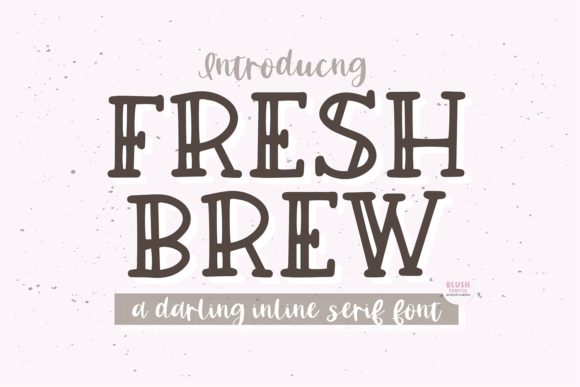
Fresh Brew is classified as a stylish and rustic script font. Unlike traditional calligraphy fonts that strive for geometric perfection and uniform stroke width, this typeface is defined by its irregular lines and imperfect strokes. The visual language of the font mimics the fluidity of handwriting executed with a brush or marker, resulting in a texture that feels organic rather than manufactured.
The core appeal of Fresh Brew lies in its ability to convey authenticity. In an era where digital content often appears sterile or overly polished, the unique personality of this font offers a counter-narrative. It suggests a human touch, implying that the content behind the text was created with care and intention. The "rustic flair" mentioned in its description refers to the slight variations in line weight and the occasional break in continuity that simulate real-world ink application on paper.
Primary Use Cases and Applications
Designers typically consider Fresh Brew when the goal is to establish a connection based on warmth, tradition, or artisanal quality. The font is particularly well-suited for specific industries and project types where these values are paramount.
- Branding and Logo Design: For businesses in the coffee, bakery, craft beer, or organic food sectors, Fresh Brew can effectively communicate a "small-batch" or locally sourced identity. The rustic nature of the letters aligns naturally with products that emphasize natural ingredients or traditional methods.
- Packaging Design: On product labels, the font's character helps distinguish items on crowded shelves. Its irregularity draws the eye more effectively than standard serif or sans-serif fonts, making it a strong candidate for premium packaging that wants to avoid looking mass-produced.
- Editorial and Print Media: In magazines, brochures, or lookbooks, Fresh Brew works well for headlines, pull quotes, or section dividers. It adds a layer of visual interest without overwhelming the body text, provided it is used sparingly.
Evaluating Benefits and Tradeoffs
Selecting a display font like Fresh Brew involves weighing its stylistic advantages against functional limitations. A balanced approach requires understanding where the font excels and where it may hinder communication.
Key Benefits
The most significant advantage of Fresh Brew is its emotional resonance. It immediately sets a mood of nostalgia and approachability. For brands aiming to build trust through transparency and human connection, this font acts as a visual shorthand for those concepts. Furthermore, its high level of detail ensures that it remains legible at larger sizes, allowing it to function effectively as a headline or display element.
Potential Drawbacks
The very features that give Fresh Brew its charm also limit its versatility. The irregular lines and imperfect strokes can reduce readability, especially at smaller point sizes or when viewed on low-resolution screens. If the contrast between the letterforms and the background is not carefully managed, the text may appear muddy or difficult to decipher.
Additionally, the font's strong stylistic voice can clash with other design elements. Because it exudes such a distinct "handcrafted" feel, pairing it with overly modern, minimalist, or corporate design systems can create a disjointed user experience. It is not a neutral tool; it demands attention and dictates the overall vibe of the project.
Situations Where Alternatives May Be Preferred
While Fresh Brew is an excellent choice for specific contexts, it is not a universal solution. Designers should consider alternative typefaces if their project requirements prioritize clarity, neutrality, or strict brand consistency over atmospheric storytelling.
If the primary goal is to convey efficiency, technology, or precision, a clean sans-serif or a structured slab serif would be more appropriate. For example, a software startup or a financial institution would likely find the rustic imperfections of Fresh Brew to be a distraction from their core message of reliability and accuracy.
Furthermore, in scenarios requiring extensive body copy, Fresh Brew is generally unsuitable. Long passages of text in a script font with variable stroke widths can cause reader fatigue. In these cases, a highly legible serif or sans-serif font should be paired with Fresh Brew for headings only, ensuring that the body text remains accessible.
Practical Decision-Making Insights
To determine whether Fresh Brew aligns with your specific goals, evaluate the following criteria before purchasing or downloading the font.
- Readability Requirements: Test the font at the actual size it will be used. If the irregularities make words hard to distinguish quickly, the font is too decorative for that specific application.
- Brand Consistency: Consider your existing brand guidelines. Does the rustic, imperfect style complement your current logo and color palette, or does it introduce a conflicting narrative?
- Technical Constraints: Ensure the font supports the necessary character sets for your audience. If you are targeting an international market, verify that the font includes accents and special characters required for different languages.
- Contextual Fit: Ask yourself if the "handcrafted" vibe matches the product or service. If the offering is high-tech or industrial, Fresh Brew may undermine the perceived value of the item.
Conclusion
Fresh Brew represents a specialized tool in the designer's arsenal. It is not merely a font but a stylistic statement that prioritizes character and authenticity over uniformity. When applied correctly, it can elevate a design project by adding a layer of human warmth that standard typefaces often lack. However, its success depends entirely on context. By carefully evaluating the needs of the project against the font's inherent strengths and weaknesses, designers can make informed decisions that enhance rather than detract from their visual communication.
For those seeking to infuse a project with a sense of history, craftsmanship, or personal touch, Fresh Brew is a compelling candidate. Yet, for tasks demanding maximum legibility and neutrality, exploring alternative options remains a prudent strategy. Ultimately, the right choice is the one that best serves the message and the audience.