Munchen: Elevating Brand Strategy Through Intentional Typography
In the landscape of modern design, typography is rarely just about legibility; it is a critical component of strategic communication. When you are positioning a brand, crafting a marketing campaign, or designing a user experience for a sophisticated audience, the choice of typeface dictates the emotional tone before a single word is read. Munchen emerges as a distinct tool in this arsenal, offering an elegant script that bridges the gap between casual approachability and high-end exclusivity. For entrepreneurs, marketers, and creative professionals seeking to refine their visual identity, understanding the specific utility of Munchen is essential for making decisions that yield long-term results.
The Strategic Value of Elegant Script Fonts
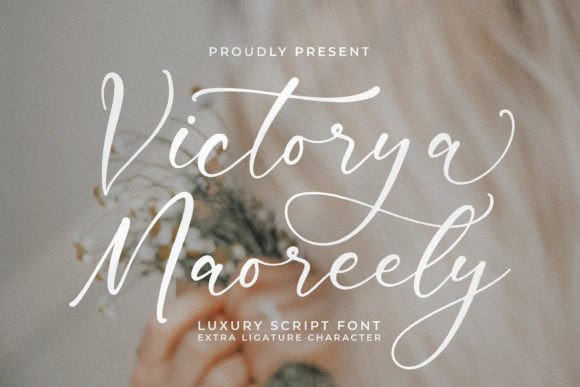
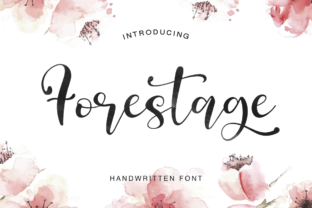
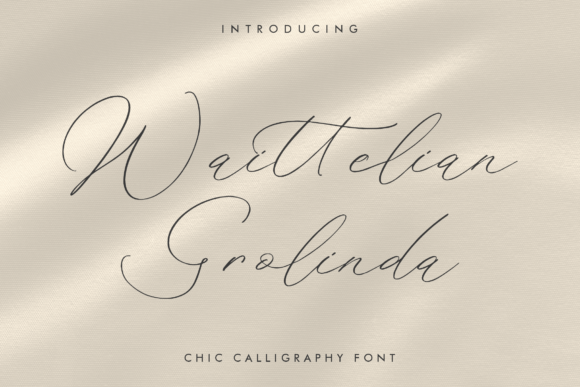
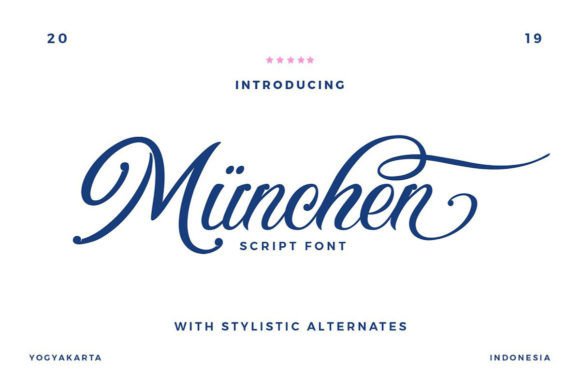
Typography functions as a silent ambassador for your business. It signals authority, creativity, reliability, or luxury depending on its execution. Munchen is not merely a decorative element; it is a strategic asset designed to convey a sense of timelessness and class. Its smooth curves and graceful lines create a light and airy feel that can transform a standard layout into something memorable. Unlike rigid sans-serif fonts that prioritize industrial efficiency, or heavy serifs that demand attention through weight, Munchen operates with subtlety. This makes it particularly effective for brands aiming to establish a connection based on refinement rather than volume.
For decision-makers looking to enhance their brand positioning, the inclusion of Munchen suggests a commitment to quality. The font's thin strokes and exquisite style imply that the creator has paid attention to detail. In a market saturated with generic templates, using a typeface with such character helps differentiate a project. Whether you are a small business owner launching a boutique service or a publisher creating a digital magazine, the presence of Munchen adds a layer of sophistication that resonates with adults aged 20 to 50 who value aesthetics and authenticity.
Aligning Typography with Business Goals
Strategic planning involves aligning every visual element with core business objectives. If your goal is to communicate exclusivity or personal care, Munchen serves as a natural vehicle. Consider a luxury skincare line, a high-end wedding planner, or a premium consultancy firm. In these contexts, the font acts as a visual shorthand for the promise of excellence. The "casual yet exquisite" nature of Munchen prevents the design from feeling stiff or overly formal, allowing the brand to appear accessible while maintaining an air of prestige.
However, intentionality is key. Using Munchen without a clear plan can dilute your message. A font that is too ornate might obscure information in a technical manual, while one that is too plain might fail to capture attention in a crowded social media feed. The strength of Munchen lies in its balance. It allows for creative expression without sacrificing readability when used correctly. By integrating this font into your operational workflow, you ensure that your visual output consistently supports your broader mission of delivering a superior customer experience.
Practical Applications Across Industries
The versatility of Munchen extends across various sectors, provided the application is grounded in context. For freelancers and bloggers, this font offers a way to inject personality into content without overwhelming the reader. Imagine a lifestyle blog where the headings utilize Munchen to set a mood of relaxed elegance, while the body text remains in a clean, neutral sans-serif for maximum readability. This combination creates a rhythm that guides the eye and keeps the audience engaged.
- Branding and Identity: Use Munchen for logos, monograms, or signature elements to create a memorable mark that stands out in a competitive marketplace.
- Marketing Materials: Incorporate the font into email newsletters, brochures, and social media graphics to elevate the perceived value of your offer.
- Product Packaging: On physical goods, the thin strokes and graceful lines of Munchen can suggest artisanal quality, appealing to consumers who appreciate craftsmanship.
- Digital Interfaces: While less common for body text, Munchen can be highly effective for call-to-action buttons or section headers in web design, adding a touch of flair that encourages interaction.
For educators and publishers, the font's timeless feel makes it suitable for book covers, course materials, or certificates. It conveys a sense of established knowledge and tradition. Similarly, for hobbyists and creatives, Munchen provides a professional finish to personal projects, elevating them from amateur efforts to polished works of art.
Navigating Design Decisions with Confidence
Before committing to Munchen as a primary typeface, it is vital to consider the medium and the audience. The font's delicate nature means it may not hold up well at very small sizes or in low-resolution environments. A strategic approach involves testing the font across different devices and print formats to ensure consistency. If the thin strokes break down on mobile screens, the intended message of clarity and elegance will be lost.
Furthermore, pairing is crucial. Munchen should not stand alone. To achieve a balanced design, pair it with a sturdy, neutral font for body copy. This contrast highlights the unique characteristics of Munchen while ensuring the content remains accessible. Think of the relationship between the script and the supporting text as a partnership; one leads with style, while the other ensures substance is delivered effectively. This synergy is what separates a good design from a great one.
Risks of Unintentional Usage
While Munchen is powerful, relying on it without clear goals can lead to negative outcomes. The most common pitfall is overuse. Because the font is so visually striking, it can quickly become distracting if applied to every headline or paragraph. This creates visual noise that confuses the user and dilutes the brand's impact. When typography competes for attention rather than guiding it, the message fails to land.
Another risk is mismatched context. Using Munchen for a tech startup focused on speed and efficiency, or a construction company emphasizing durability, might send mixed signals. The font's association with grace and leisure could undermine the core values of industries that require a more robust or utilitarian image. Decision-makers must ask whether the "light and airy" feel of Munchen aligns with the gravity of their industry. If the answer is no, forcing the font onto the project will result in a disjointed brand identity that lacks credibility.
Additionally, there is the issue of trend dependency. While Munchen has a timeless quality, design trends shift rapidly. Relying too heavily on a specific stylistic choice without considering longevity can date your materials quickly. The goal is to use Munchen in a way that feels contemporary yet enduring, ensuring that your designs remain relevant as your business grows.
Maximizing Long-Term Value Through Thoughtful Implementation
To truly leverage Munchen, treat it as part of a comprehensive design system rather than a standalone fix. Document how the font is used in your brand guidelines. Specify where it appears, in what sizes, and how it interacts with other elements. This structured approach ensures that everyone involved in your creative process—from internal teams to external agencies—maintains consistency. Consistency builds trust, and trust drives customer loyalty.
Consider the psychological impact of Munchen on your audience. The font evokes feelings of calmness and appreciation for beauty. By strategically placing it in areas where you want to evoke these emotions, you can subtly influence user behavior. For instance, using it on a "Thank You" page or a VIP membership invitation reinforces the feeling of being valued. These small moments of design excellence contribute significantly to the overall customer experience and can lead to higher retention rates and positive word-of-mouth.
Ultimately, the success of any design choice comes down to the clarity of your vision. Munchen is a sophisticated tool that rewards those who use it with purpose. It is not a magic solution, but rather a catalyst for better communication. When you combine the elegance of Munchen with sound strategic planning, thoughtful content, and a deep understanding of your audience, you create designs that do more than look good—they perform. They inform, they persuade, and they endure. By approaching typography with the same rigor as you would financial planning or operational strategy, you ensure that every pixel contributes to your long-term success.